Hospitals in California are already using Canopy to protect staff
Health systems nearby are improving response times and strengthening staff safety with Canopy. See what is driving local adoption.
Trusted by hospitals like yours
Health systems facing similar staffing pressures, patient acuity, and safety challenges have already moved forward with Canopy. They chose to make safety visible now rather than wait for the next incident or crisis.

"Anytime the Joint Commission is at your facility, and then they tell you you're an industry best practice... that's the words you want to hear out the door."


Staff know when leadership invests in their safety.
When clinicians see nearby hospitals adopt wearable safety technology, expectations shift. Safety becomes something they feel and trust every shift. Hospitals that delay risk:
Staff questioning leadership’s commitment
Lower confidence in response processes
Falling behind workforce expectations
Technology does not replace culture. It makes commitment visible.
Staff know when leadership invests in their safety.
When clinicians see nearby hospitals adopt wearable safety technology, expectations shift. Safety becomes something they feel and trust every shift. Hospitals that delay risk:
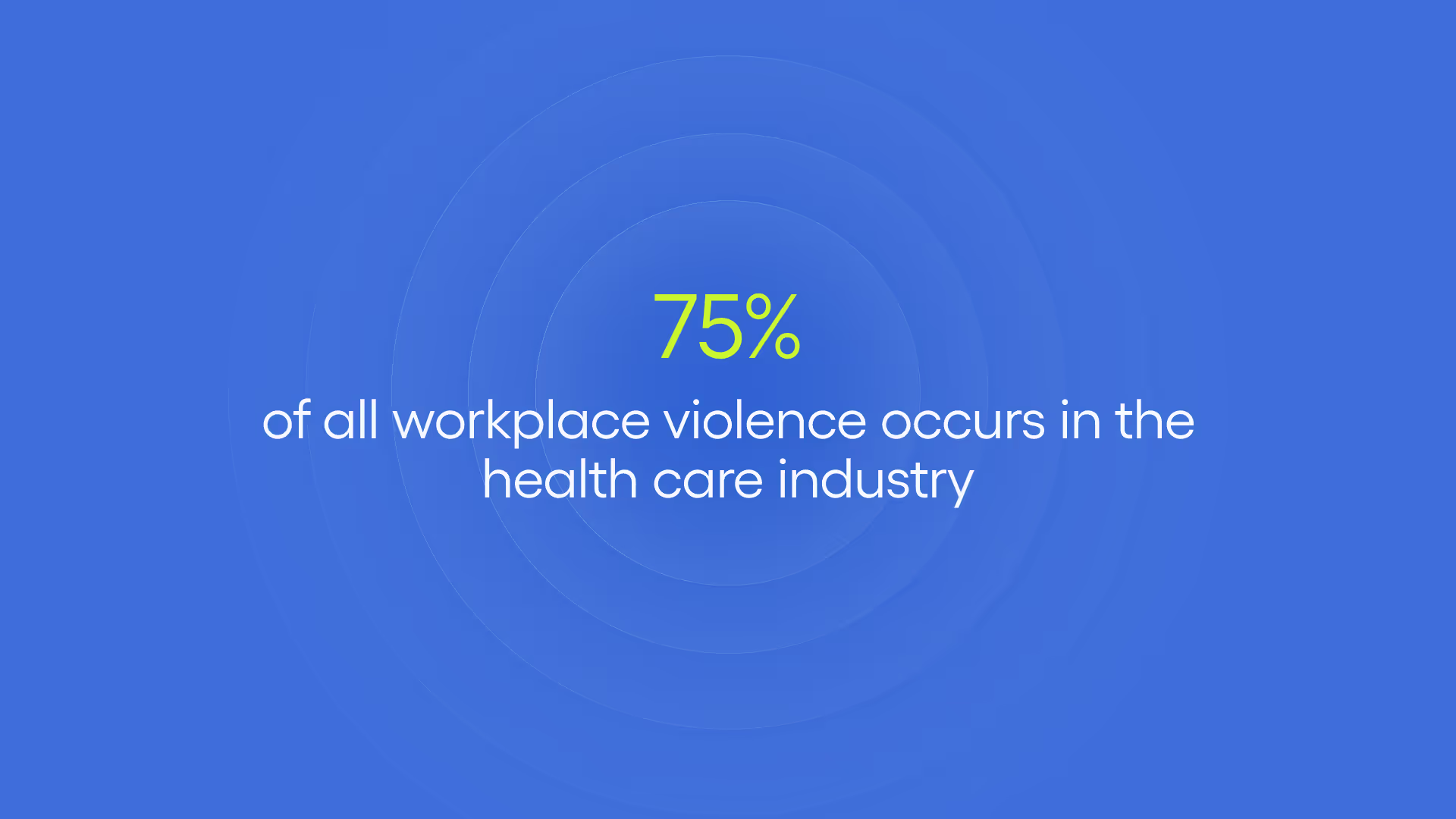
Results at a glance
Healthcare workers protected across 1000+ locations
Improvement in staff safety confidence
Average reduction in assaults in first 6 months
Average reduction in assaults in first 6 months
See how hospitals like yours are using Canopy.
Hospital leaders turn to Canopy to tackle real-world safety challenges while strengthening workforce trust. These case studies show how peers:
Improve safety perception
Strengthen response and coordination
Support recruitment, retention, and confidence
No sales pitch. Just real outcomes from leaders facing the same pressures.

.avif)
