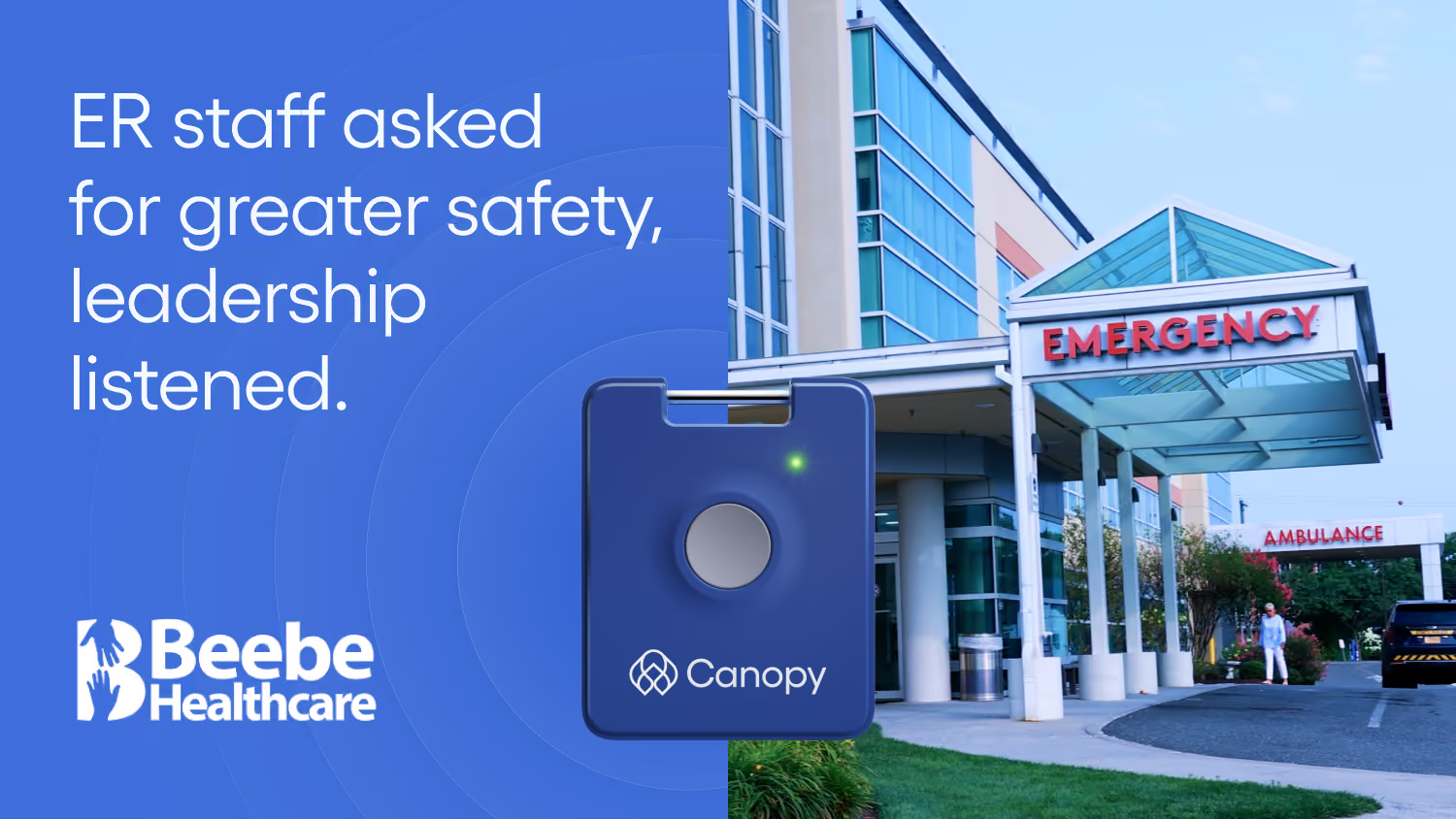
In our previous discussions, we’ve explored how caregiver safety is an essential prerequisite for healing and how data with heart can transform a reactive culture into a proactive one. But even as we advocate for these shifts, a persistent question remains in boardrooms: What is the cost of inaction?
Healthcare workplace violence is often framed purely as a safety issue. However, its real cost extends far beyond the moment a Canopy duress button is double-pressed. For healthcare organizations, a single incident triggers a cascade of consequences that are rarely fully accounted for.
The Visible Costs: The Tip of the Iceberg
Most leaders can easily identify the immediate, measurable expenses associated with an event:
- Staff injury and workers’ compensation claims.
- Lost workdays and the subsequent need for expensive overtime coverage.
- Legal fees and liability exposure.
While significant, with some estimates showing health care workers using over 110 hours of leave time annually due to violence (and this is only what we can track), these costs represent only the tip of the iceberg.
The Hidden Costs: What We Underestimate
The "echo" of violence lingers long after the security team arrives. When we fail to look deeper, we miss the systemic erosion of our workforce:
- Moral Injury and Burnout: As we’ve discussed before, when silence follows an assault, it sends a message that a nurse’s well-being isn't valued. This inaction leads to profound emotional distress and moral injury among those who witnessed or experienced the event.
- The Turnover Crisis: A safe work environment is the #1 factor in a nurse’s decision to stay or leave. With the average cost of RN turnover now exceeding $100,000, "preventable" violence becomes a massive recurring operational expense.
- Clinical Distraction: When nurses go into "Survival Mode," they cannot operate in "Healing Mode". This hypervigilance leads to clinical distraction, increasing the risk of medical errors and decreasing overall engagement.
The Nurse Perspective: The Bedside Toll
For each caregiver, the cost is personal and varied. WPV creates a culture where violence is tragically "part of the job". This normalization erodes compassion, directly impacting the patient experience. When nurses do not feel safe, patients are not fully safe.
The Business Case for Proactive Prevention
Prevention is not a cost center—it is risk mitigation and workforce preservation. By moving from a reactive stance to a proactive culture of protection, organizations see:
- Reduced Incident Severity: Early recognition and rapid response through tools like Canopy Protect, which improves teamwork and the feeling of community.
- Improved Staff Retention: Building trust by demonstrating that a duress activation initiates a cascade of institutional support, not just a security response.
- Stronger Safety Culture: Transforming individual anecdotes into verifiable data that secures the resources needed to meet the foundational safety needs of staff.
A workplace violence incident doesn’t end when the situation is over. It casts a long shadow lingering in staffing schedules, turnover data, and, most importantly, in the hearts of our caregivers.
The most expensive incident is the one that could have been prevented through policies, people, and the right technology. It is time we stop viewing safety as a nice-to-have and start seeing it as vital to the foundation of our financial and clinical success.