The days are longer, the sun is out, and kids are out of school. Summer is in full swing, and while many are booking a sunny getaway, clinical staff won’t have the luxury of letting their guard down. After all, workplace violence doesn’t take a vacation.
During my career as an emergency department nurse, summer brought a unique mix of challenges that placed additional strain on caregivers, patients, and support staff alike. Emergency departments consistently see higher visit volumes during the summer months, driven by heat-related illness, outdoor injuries, motor vehicle accidents, and seasonal travel. Holidays bring their own surge, with an average of 450,000 injury-related ED visits on a typical 4th of July alone. Children's hospitals experience an uptick in injuries related to sports, playgrounds, swimming pools, and summer camps, and behavioral health presentations often rise dramatically as school routines are disrupted and community resources become less accessible.
This summer adds additional complexity, with the 250th anniversary of Independence Day bringing bigger celebrations and the FIFA World Cup drawing millions of visitors to host cities across the country.
Healthcare organizations spend considerable effort preparing for seasonal surges, emergency preparedness, and heat-related illnesses. At the same time, they frequently face staffing challenges due to employee vacations, new graduate onboarding, temporary staff utilization, and fluctuating patient census.
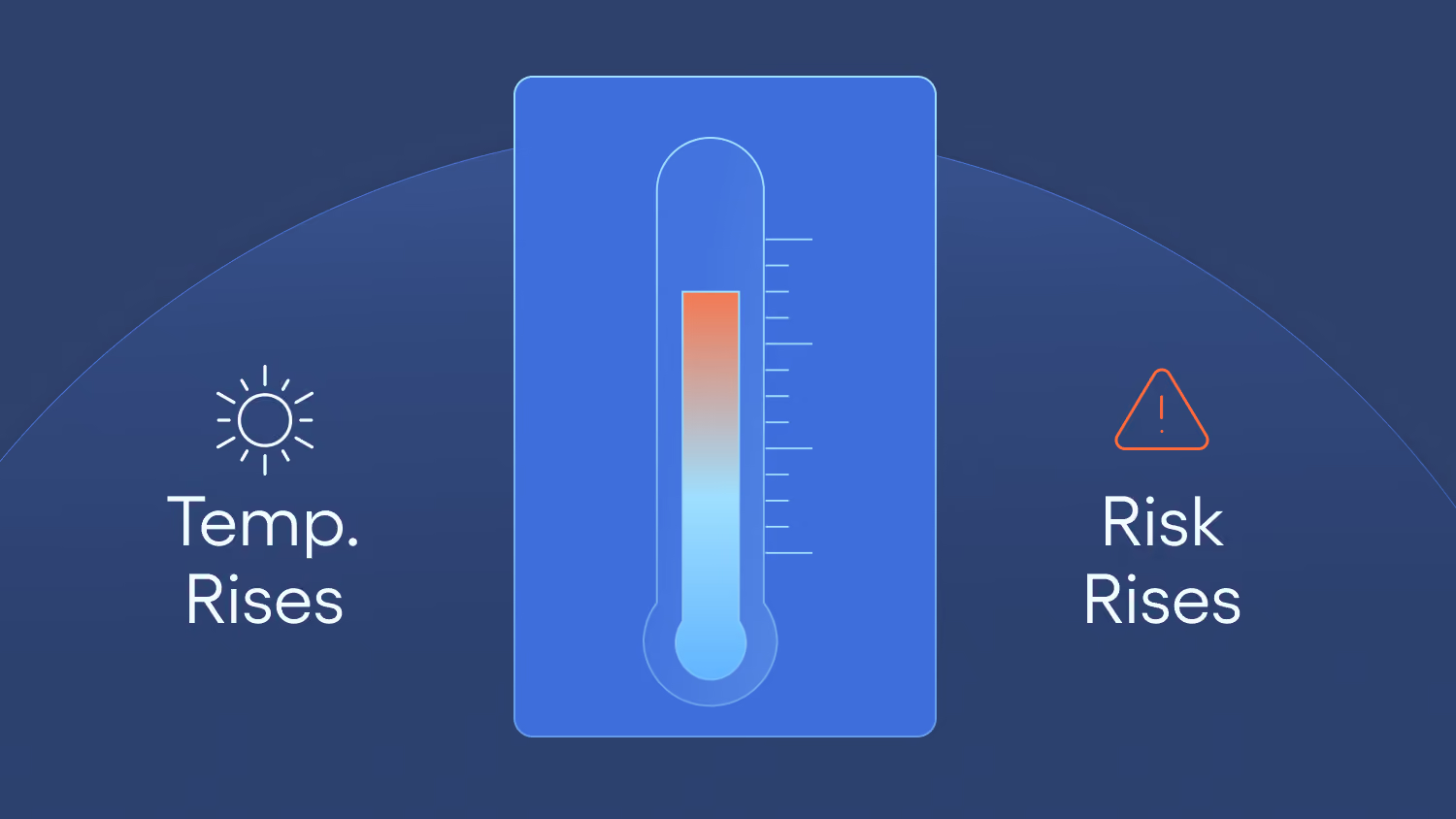
When operational pressure heats up, so does the risk. A strained care environment is fertile ground for the kind of tension that escalates into workplace violence.
The Connection Between Summer and Workplace Violence
Workplace violence rarely occurs without warning. Research consistently shows that most incidents are preceded by recognizable warning signs, and the conditions that summer creates make those warning signs more likely to appear.
During the summer months, healthcare organizations commonly experience:
- Increased patient volumes
- Longer wait times
- Overcrowded waiting rooms
- Higher visitor traffic
- Staffing shortages or reduced experience mix
- Increased caregiver fatigue
- Greater emotional stress among patients and families
Each of these conditions can contribute to escalation.
A frustrated family waiting hours in an emergency department. A behavioral health patient struggling in a crowded environment. A visitor reacting emotionally to unexpected news. A caregiver attempting to manage multiple competing priorities. These situations create the conditions where verbal aggression can quickly evolve into threatening behavior or physical violence.
Just as a summer storm can disrupt an entire community, a single violent event can disrupt an entire unit.
Planning for a Safer Summer
For healthcare organizations, that means building summer safety into operational planning across five areas:
- Enhanced situational awareness. Reinforce recognition of early warning signs of escalation before behaviors reach a crisis point. Staff who can identify the simmer are better positioned to intervene before it becomes a spike.
- Workplace violence education. Refresh de-escalation skills, behavioral assessment techniques, and reporting processes ahead of peak season.
- Staffing and support planning. Inexperienced staff, travelers, and newly licensed clinicians may require additional mentorship and support during high-volume periods. Proactively pairing new staff with experienced colleagues can reduce risk.
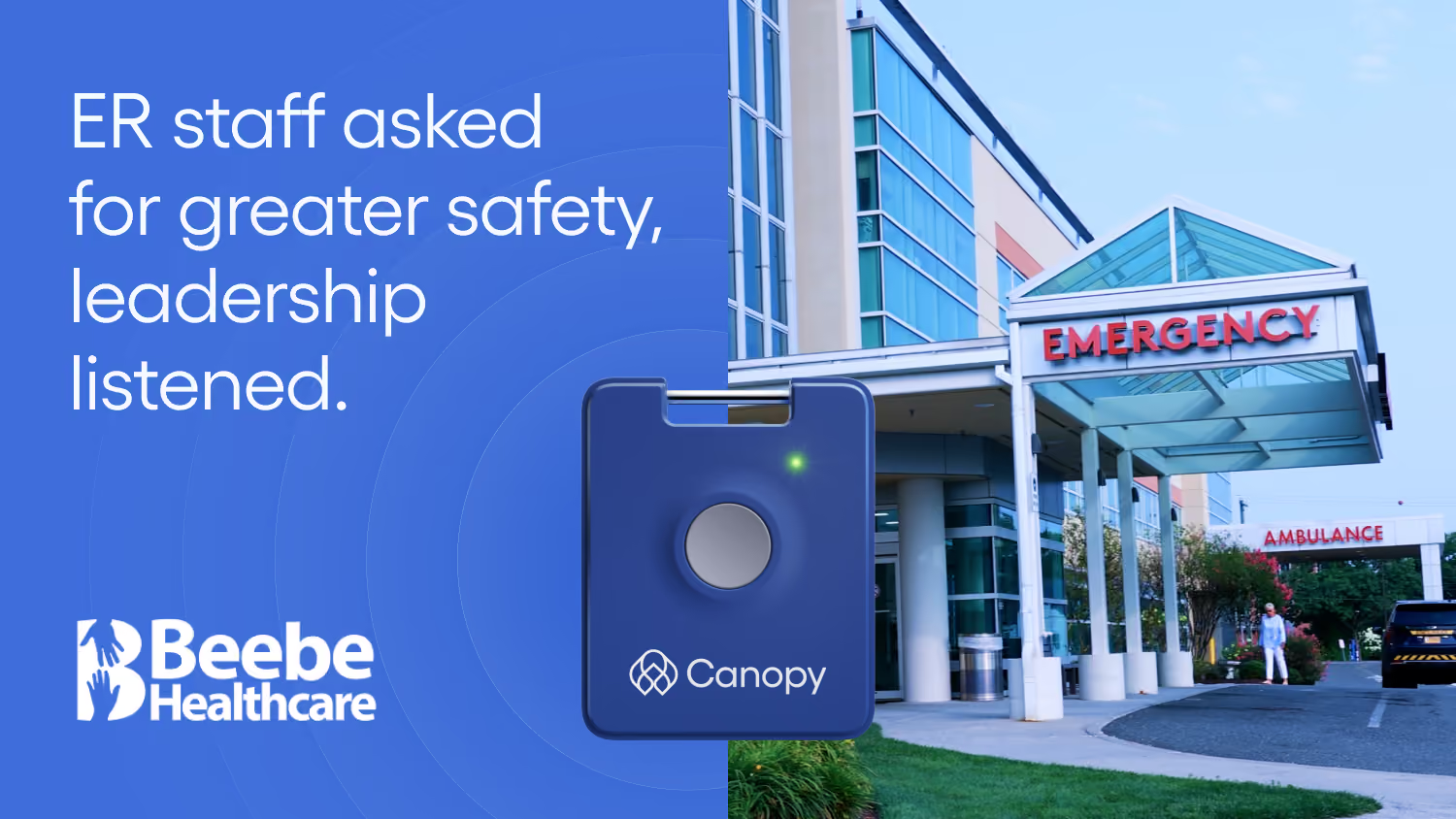
- Technology and rapid response. Ensure staff have immediate access to assistance through wearable duress technology, security partnerships, and established response protocols. The faster help can arrive, the better the outcome for everyone involved.
- Leadership visibility. Increase leadership rounding and staff engagement during periods of operational stress. A visible, present leadership team signals to staff that their safety is a priority.
A Summer Safety Commitment
Summer preparedness must equally prioritize caregiver safety alongside patient safety. Every caregiver deserves to feel protected while providing care, and that protection requires intentional planning, not just good intentions.
Safety is not seasonal. It’s strategic, and it means delivering exceptional care to every patient, every shift, every season.
The heat of summer may be unavoidable. Violence in healthcare is not. Through preparation, vigilance, education, and the right tools and support in place, organizations can ensure that safety remains strong even when temperatures and operational pressures rise.
Learn more
Planning for seasonal challenges can be complex. Learn how ECU Health approached their system-wide challenges to address staff safety.